

Pride Month is an annual celebration held in June to honor the 1969 Stonewall Uprising in Manhattan, a pivotal moment in the fight for LGBTQ+ rights. The Stonewall Uprising was a series of spontaneous demonstrations by members of the LGBTQ+ community in response to a police raid at the Stonewall Inn in New York City, a popular gathering place for queer people. The uprising led to the formation of numerous LGBTQ+ organizations and sparked the modern gay rights movement.
On June 28, 1970, the first Pride march was held in New York City to commemorate the one-year-anniversary of the Stonewall riots. Since then, Pride Month has grown into a global celebration of love, diversity, acceptance, and self-affirmation. It is a time to recognize the impact that queer people have had on history, to raise awareness about ongoing challenges faced by the community, and to celebrate the progress made in the fight for equality.
Pride Month provides a platform for LGBTQ+ people to be visible, heard, and celebrated. Ultimately, Pride Month is a powerful reminder of the resilience, strength, and love within the queer community. Click on the Pride flag to learn more about the history of Pride!
YDL is celebrating Pride Month by featuring Pride book displays at each of our branches. Find more information about Pride— including the meanings of common flags and the stories of notable LQBTQ+ individuals—below.
What does LGBTQ+ Stand for?
LGBTQ+ is an acronym that stands for Lesbian, Gay, Bisexual, Transgender, and Queer or Questioning. “Queer” is an umbrella term for sexual and gender minorities, and “Questioning” refers to those exploring their sexual orientation or gender identity. The plus (+) represents other sexual orientations and gender identities that aren’t recognized in the acronym, such as pansexual, asexual, nonbinary, and intersex. The acronym is meant to be an inclusive representation of the diversity within the LGBTQ+ community.
Library Displays
Click pictures to enlarge
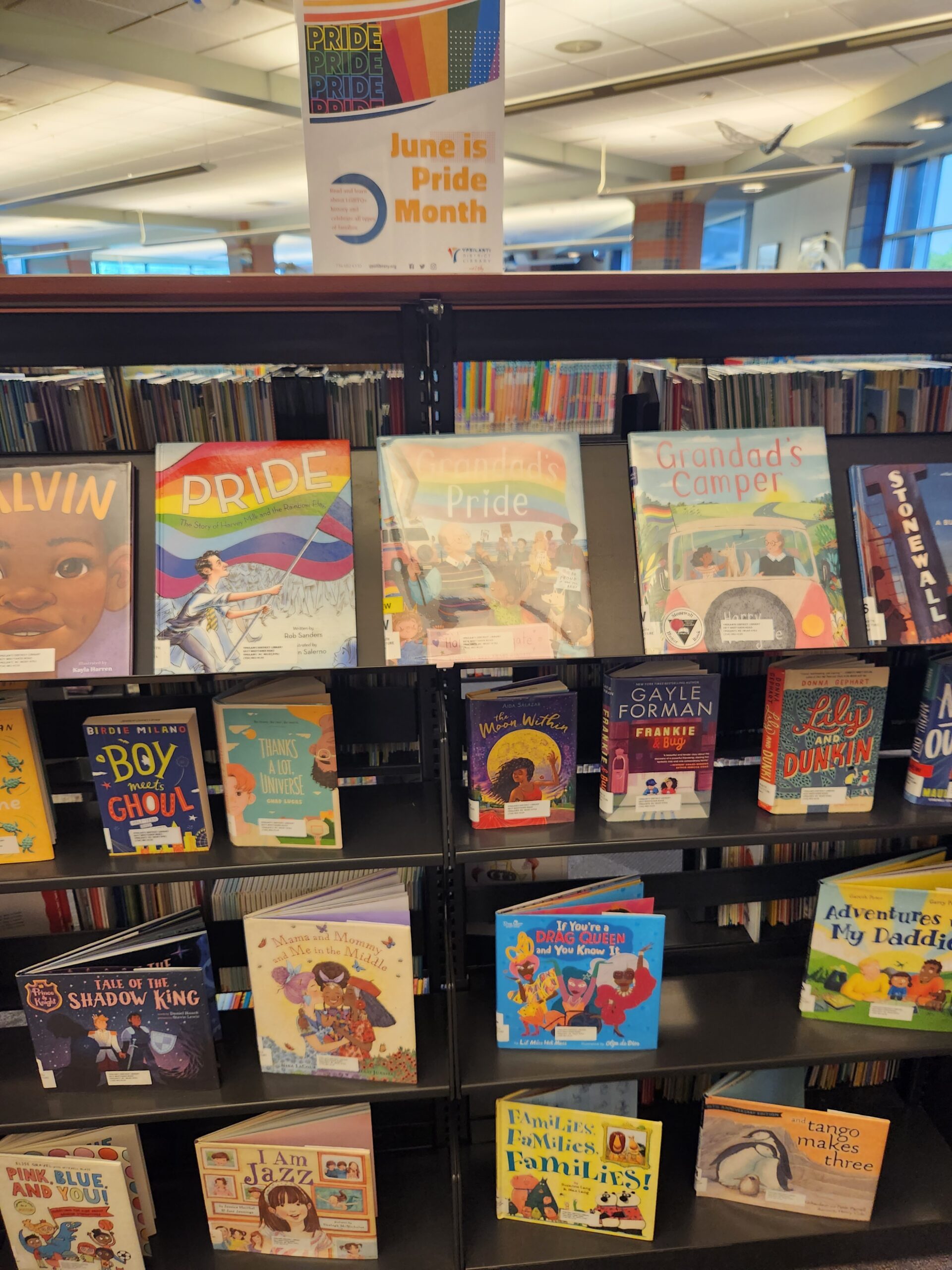
YDL-Whittaker Youth Display

YDL-Whittaker Teen Display
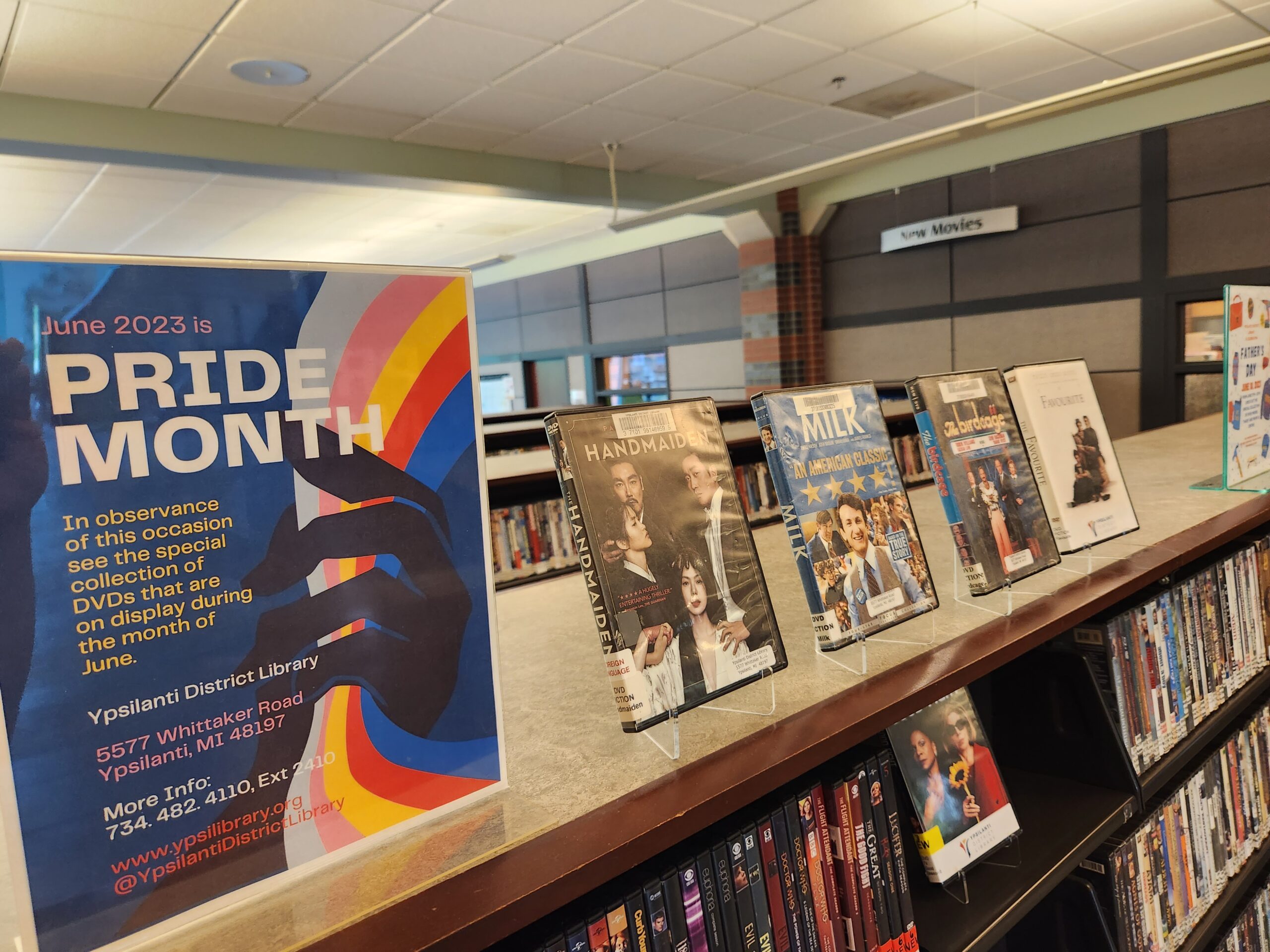
YDL-Whittaker DVD Display

YDL-Superior Display
Common Flags
Click on any of these flags to learn more about its meaning and the meanings of other common Pride flags.

Progress Pride Flag

Lesbian Flag

Nonbinary Flag
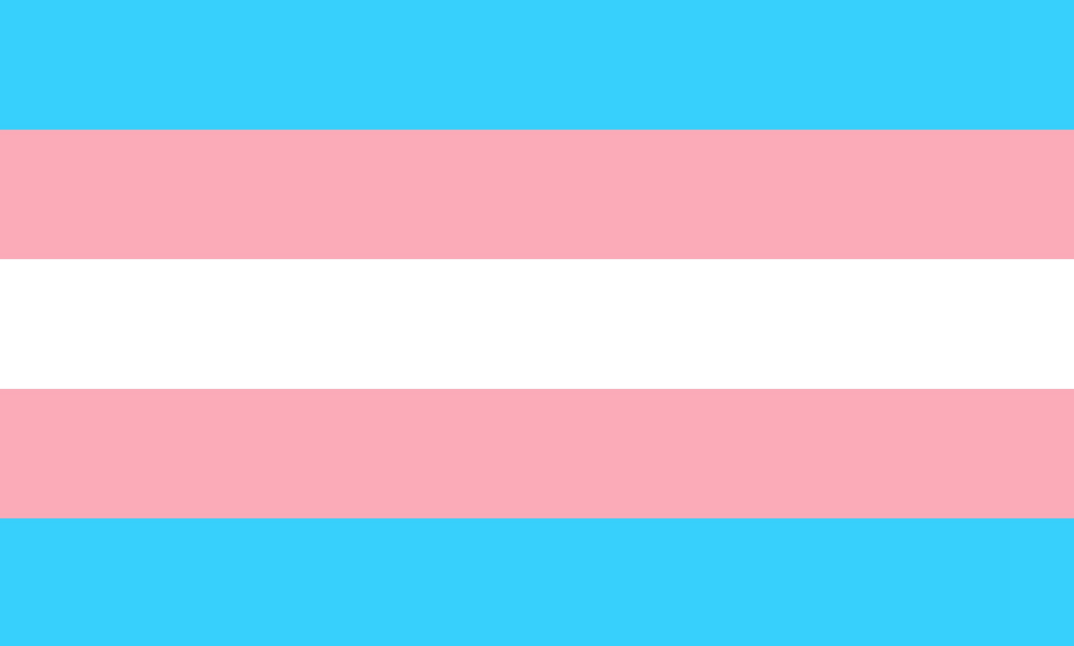
Transgender Flag

Asexual Flag
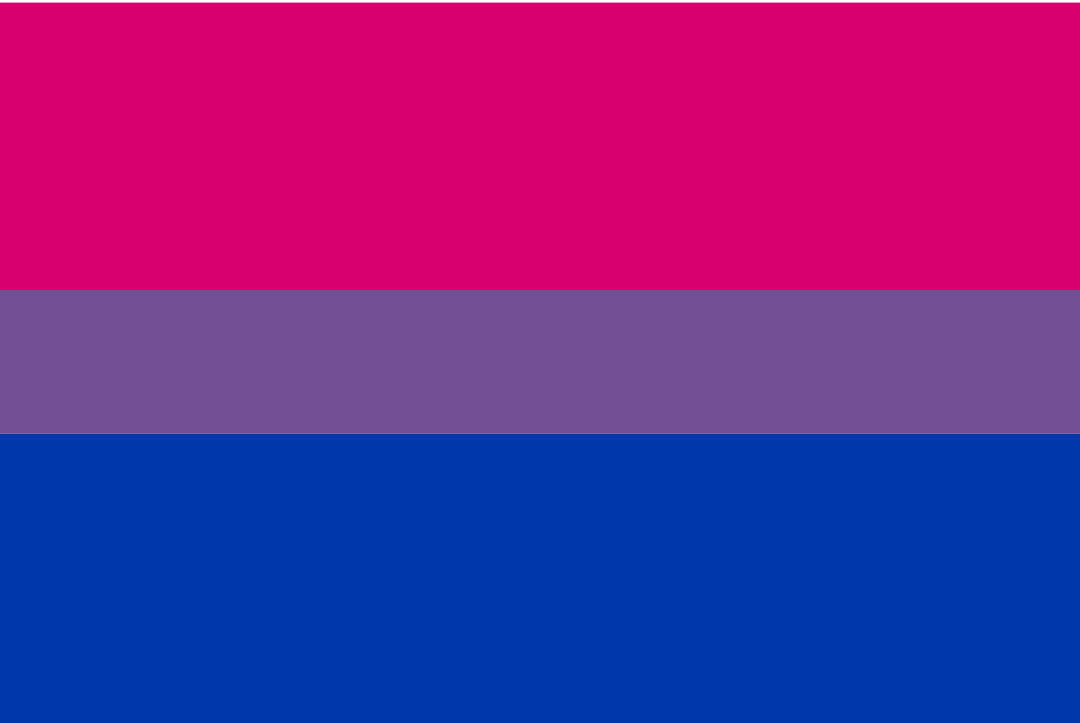
Bisexual Flag

Pansexual Flag

Intersex Flag

Gender Queer Flag

Genderfluid Flag

Agender Flag

Aromantic Flag

Gilbert Baker Pride Flag

1978-1999 Pride Flag

Queer People of Color Flag

Polyamory Flag

Straight Ally Flag

Rainbow Pride Flag
Notable LGBTQ+ People
Learn about three of the many notable members of the LGBTQ+ community. You can find library materials about them by clicking on their images!
Audre Lorde (1934-1992) was an influential Black lesbian writer, poet, feminist, librarian, and civil rights activist. Lorde described herself as a “Black, lesbian, mother, warrior, poet,” and her powerful works of prose and poetry explored the intersection of these identities. Lorde was a pioneering voice in the development of intersectional feminism, which acknowledges the ways in which different forms of oppression—such as racism, sexism, and homophobia—are interconnected. Some of her most notable works include Coal (1976), The Black Unicorn (1978), The Cancer Journals (1980), Zami: A New Spelling of My Name (1982), and Sister Outsider (1984).
Gilbert Baker (1951-2017) was an American artist, gay rights activist, and designer best known for creating the rainbow flag, which has become a globally recognized symbol of the LGBTQ+ community. Baker taught himself to sew and began designing banners for gay rights and anti-war protests in San Francisco in the 1970s. In 1978, Harvey Milk (the first openly gay elected official in California) commissioned Baker to create a symbol for the gay community. Baker designed a rainbow flag with eight colors, each representing a different aspect of the gay experience. His creation left an indelible mark on LGBTQ+ history and has become an enduring symbol of pride, resilience, and hope.
Sylvia Rivera (1951-2002) was a pioneering Latina American gay liberation and transgender rights activist, as well as a prominent figure in the Stonewall Uprising of 1969. Rivera faced discrimination throughout her life as a trans woman of color, but despite these persistent challenges, she became a tireless advocate for the rights of LGBTQ+ people. Along with her best friend and fellow activist Marsha P. Johnson, Rivera co-founded STAR in 1970, which provided housing and support for homeless LGBTQ+ youth and sex workers. She fought for the inclusion of trans rights within the larger gay rights movement, challenging the mainstream queer community to be more inclusive and intersectional.
RESOURCES
Ozone House has resources available to homeless and struggling young people, as well as LGBTQ+ youth-specific assistance. Ozone House provides a crisis line, counseling, housing, school assistance, and job assistance. Every Thursday, Ozone House hosts Pridezone, a social and support group for LGBTQ+ people ages 13-20.
The Jim Toy Community Center is a local organization focused on sharing information about local LGBTQ+ events and groups. Visit their website for more information about legal assistance for LGBTQ+ individuals.